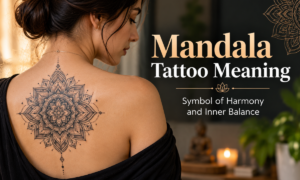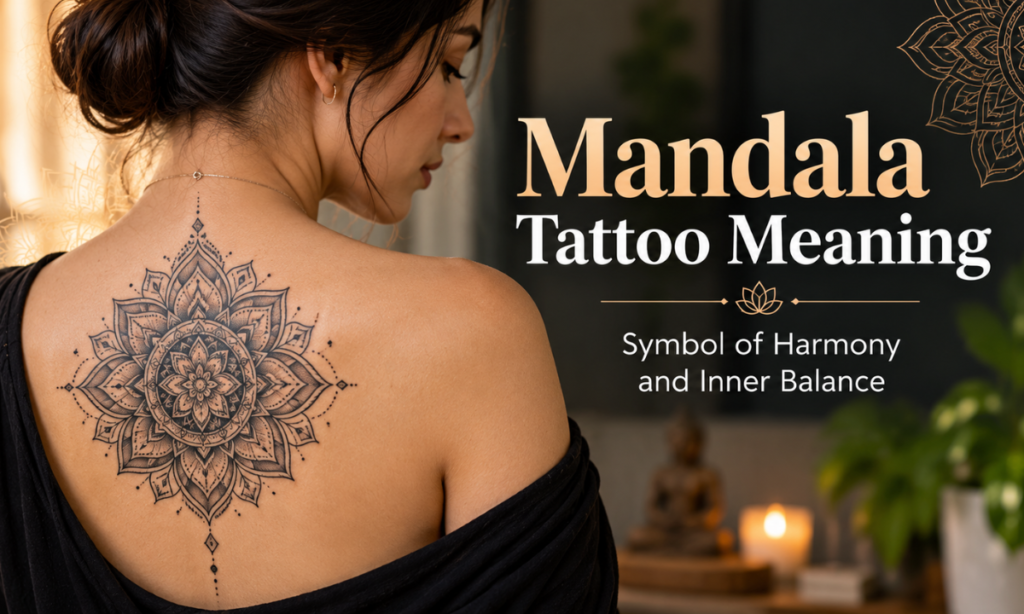
Mandala tattoos have become a popular choice for people who appreciate meaningful body art, intricate patterns, and spiritual symbolism. Known for their circular designs and symmetrical details, mandalas represent harmony, balance, unity, and the connection between different aspects of life.
Whether you prefer a small minimalist design or a detailed geometric pattern, a mandala tattoo can express your personality, beliefs, and journey towards inner peace. These tattoos are also highly versatile, making them suitable for different body placements and artistic styles.
In this blog, we explore the meaning of mandala tattoos, popular design ideas, their symbolism, and how to choose the right design for your next tattoo.
What Is a Mandala Tattoo?
A mandala tattoo is a design inspired by mandalas, which are geometric arrangements traditionally associated with spiritual and contemplative practices in several South Asian religious and cultural traditions.
The word mandala comes from Sanskrit and is commonly translated as “circle.” Traditional mandalas often feature a central point surrounded by repeating shapes, symmetrical patterns, and multiple layers.
In tattoo art, these elements create visually striking designs that can range from simple circular outlines to elaborate compositions featuring floral patterns, geometric shapes, and ornamental details.
Many people choose mandala tattoos to represent balance, personal growth, mindfulness, and the interconnectedness of life. The meaning, however, can vary depending on the individual’s beliefs and the design they select.
Mandala Tattoo Meaning and Symbolism
Mandala tattoos can carry several personal and symbolic meanings. Understanding these interpretations can help you choose a design that reflects your values.
1. Harmony and Balance
One of the most common interpretations of a mandala tattoo is harmony. Its symmetrical patterns represent a sense of order and balance.
People who value stability, self-awareness, and balance in their personal or professional lives may find this design meaningful.
2. Inner Peace and Mindfulness
Mandala patterns are associated with contemplative practices in some spiritual traditions. Their repetitive details can encourage focused attention and reflection.
For some tattoo enthusiasts, a mandala represents the importance of slowing down, staying present, and finding calm during challenging periods.
3. Unity and Wholeness
The circular structure of a mandala can symbolise completeness and the connection between different parts of life.
A mandala tattoo may represent the idea that personal experiences, relationships, and challenges all contribute to a person’s identity.
4. Personal Growth and Transformation
Some people choose mandala tattoos to mark a new chapter in their lives.
The design can serve as a personal reminder of lessons learned, obstacles overcome, or a commitment to becoming more self-aware.
5. Spiritual Connection
Mandalas have specific spiritual meanings in Hinduism and Buddhism, where they may serve as symbolic representations of sacred spaces, cosmology, or spiritual teachings.
A mandala-inspired tattoo may reflect an individual’s spiritual interests or beliefs. It is worth understanding the cultural context of a particular design before choosing it.
7 Popular Mandala Tattoo Design Ideas
Mandala tattoos offer many creative possibilities. Here are seven design ideas to consider.
1. Minimalist Mandala Tattoo
A minimalist mandala features clean lines, simple geometric shapes, and limited decorative details.
This style is suitable for people who prefer understated body art. It can work well on the wrist, forearm, ankle, or upper arm.
When choosing a small design, make sure the pattern is not overly detailed. Sufficient spacing between lines can help the tattoo remain clear over time.
2. Mandala Flower Tattoo
A mandala flower combines symmetrical geometry with petal-inspired patterns.
The design may symbolise beauty, growth, balance, or renewal, depending on the individual’s interpretation.
Floral mandalas are particularly versatile and can be adapted for the shoulder, upper arm, back, or thigh.
3. Mandala Forearm Tattoo
A forearm mandala tattoo is a popular option for people who want a design that is visible and easy to appreciate.
Circular patterns can be placed on the inner forearm, while elongated mandala compositions can extend along the arm.
Discuss the size and orientation with your tattoo artist to ensure the pattern follows the natural shape of your arm.
4. Mandala Shoulder Tattoo
The shoulder provides a naturally curved surface that works well with circular and symmetrical mandala patterns.
A design can sit on the shoulder cap or extend towards the upper arm and back.
This placement allows artists to create detailed compositions while maintaining the mandala’s overall balance.
5. Mandala Back Tattoo
The back offers ample space for larger and more intricate mandala tattoos.
Some designs feature a central mandala surrounded by geometric borders, floral elements, or ornamental patterns.
This option is suitable for people who want a detailed statement piece rather than a small, subtle tattoo.
6. Mandala with Dotwork
Dotwork mandala tattoos use carefully placed dots to create shading, depth, and texture.
The technique can produce elegant transitions between dark and light areas while preserving the geometric structure of the design.
Dotwork works particularly well for intricate mandalas, although the final result depends on the artist’s technique, skin, and chosen design.
7. Geometric Mandala Tattoo
A geometric mandala combines circular symmetry with lines, triangles, polygons, and repeating shapes.
This style creates a modern appearance while retaining the balanced structure associated with mandala designs.
It can be customised for the forearm, chest, upper arm, or calf, depending on the desired size and complexity.
Best Body Placements for Mandala Tattoos
The right placement depends on your preferred design, lifestyle, and desired level of visibility.
- Wrist: Suitable for small, simple mandalas with clear details.
- Forearm: Works well for medium-sized designs and elongated compositions.
- Shoulder: Ideal for circular patterns that follow the body’s natural curves.
- Back: Offers space for large, symmetrical designs.
- Thigh: Suitable for detailed mandalas with decorative borders.
- Chest: Can accommodate central mandala patterns with balanced extensions.
- Ankle: Works best with compact designs that are not excessively intricate.
Your tattoo artist can recommend an appropriate size and placement based on the design’s complexity and how the tattoo may age.
How to Choose the Right Mandala Tattoo Design
Choosing a mandala tattoo involves more than selecting an attractive pattern. Consider the meaning, design details, and practical aspects before making your decision.
Understand the symbolism: Decide whether you want your tattoo to represent harmony, mindfulness, personal growth, spirituality, or another personal value.
Select a suitable size: Detailed mandalas generally need enough space to preserve their fine lines and symmetrical elements.
Choose an experienced artist: Review the artist’s portfolio, particularly examples of geometric tattoos, symmetrical patterns, and precise linework.
Consider your placement: Discuss how the design will fit the contours of your body and whether you want it to be visible.
Prioritise hygiene: Choose a professional studio that follows appropriate sanitation procedures and uses sterile, single-use needles.
Follow aftercare instructions: Proper aftercare supports healing and helps preserve the tattoo’s appearance. Follow your artist’s guidance and seek medical advice if you develop signs of infection.
Why Choose a Professional Tattoo Artist?
Mandala tattoos require precision, patience, and attention to detail. Even small inconsistencies in spacing or symmetry can affect the overall appearance of an intricate design.
An experienced tattoo artist can help you customise the pattern, select suitable dimensions, and ensure that the design complements your chosen body placement.
Before booking an appointment, check healed tattoo photographs, client reviews, hygiene practices, and the artist’s experience with geometric and mandala-style work.
Avoid choosing a studio based only on price. Quality workmanship and safe tattooing practices should be important parts of your decision.
Conclusion
A mandala tattoo can be a beautiful way to express harmony, inner balance, mindfulness, and personal growth. Its circular structure and symmetrical patterns provide endless opportunities for customisation, from minimalist wrist tattoos to elaborate back pieces.
The best design is one that reflects your personal meaning while remaining suitable for your preferred placement and long-term tattoo goals.
Take time to explore different patterns, understand their cultural context, and consult an experienced tattoo artist before making your final choice. With thoughtful planning and professional execution, a mandala tattoo can become a meaningful piece of body art that you appreciate for years to come.